
Marius’s notebook.
I write about the people and decisions behind a good product. That takes me from technology and gamification to teamwork and testing ideas with Lean. Books often give me another way to look at the same problem.
Inherited code and AI. A staged guide to cleaning up your codebase and surfacing the critical bugs
Seven stages for auditing inherited codebases with AI. The statistic is brutal - 100% of inherited systems have at least one critical vulnerability the owner had no idea existed.

How We Control Computers Is About to Change. Here's My Bet, As an AI Practitioner.
Last Thursday, sixty-five AI agents were working on my computer in parallel while I just described outcomes and verified results. In twelve months the workplace interface has changed more than in the previous twenty years - and the same shift is unavoidable for every office workplace.
I Designed an AI System That Could End Corruption and Nepotism in Lithuania
Lithuania's transparency problem isn't a lack of information - the data exists but is dead, unreachable through any normal citizen workflow. Here's the AI infrastructure architecture that would change that, and why building it is feasible right now.
I pitted OpenAI against Google in 8 cinematic scenes. The results weren't what I expected.
Eight prompts, two models, 16 generations, 24 reference photos. I compared OpenAI gpt-image-2 with Google's gemini-3-pro-image-preview (Nano Banana Pro) on real cinematic scenes - and share which tool to pick for which shot.
Forward this article to a colleague who still refuses to use AI
Why 2-3 people in high-performing teams still ignore AI, what it actually costs the business, and how to open an adoption path without coercion.

5 Minutes to Understand How AI Works and Start Working More Efficiently
AI hallucinations are not a rare edge case - they're the default behavior of next-token prediction. Here's how SiloTech, after six months with Claude Code, built a five-layer system that catches them before they reach the client.
How the New Claude Opus 4.7 Changed My Life on Day One
Anthropic released Opus 4.7 and the error count on our validation layer dropped more than four-fold immediately. Here is what I felt on day one - and why 4.6 had been getting worse.

AI is getting cheaper. Faster than you think. And here's why it changes everything
Two years ago the GPT-4 API cost $30 per million tokens. Today the equivalent capability costs less than $2. But the price drop is just the surface: intelligence is moving from the centralized cloud to the hard drive of your laptop, and it rewrites everything.
The biggest AI myths: why your company won't build its own software in 2-3 years
Every week I meet an executive who says: "We have ChatGPT - we'll build everything ourselves soon." The idea is tempting, partially true, and largely a dangerous myth. Here's what's actually happening with AI, vibe coding, and companies planning to roll their own software in 2-3 years.
Six months ago we dropped three AI tools and replaced them with one. Today we work differently than 99% of Lithuanian companies.
Six months ago we cut Windsurf, Perplexity, Gemini, n8n and a pile of delegation tools - and moved everything into Claude Code. Here's exactly what changed, and why the single most important step for your team this month is probably switching to Claude.
Anthropic just built the AI they're afraid of - and that's not even the worst news
Anthropic built a model - Claude Mythos Preview - so powerful they decided to sell it to no one and instead published a 244-page document explaining why the world isn't ready for it. But the real story isn't Mythos. The real story is what happens when this capability reaches the open-source community.
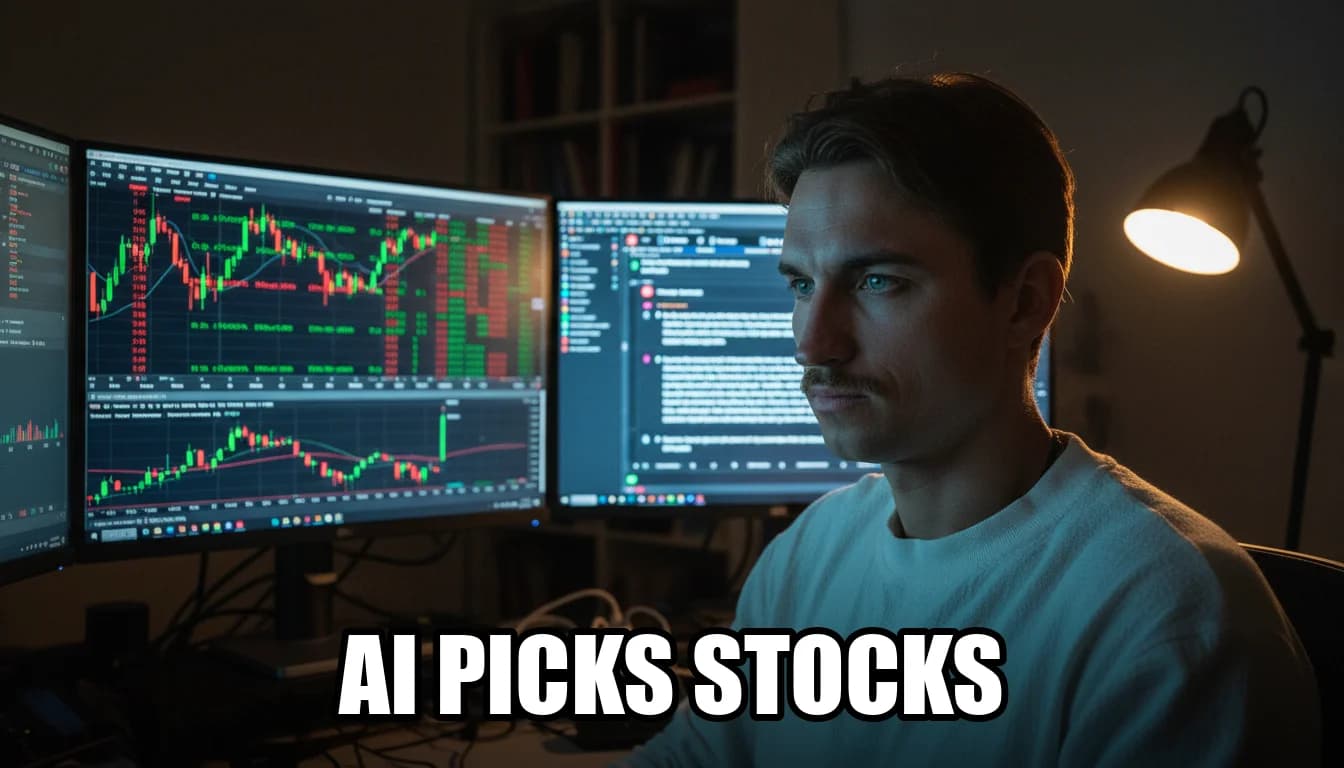
How I Use AI To Make Investment Decisions (My Complete 4-Stage Research System)
I used to spend hours researching a single investment opportunity. Now I do it in under 90 minutes - and the quality of my analysis is sharper. Here's the exact 4-stage system I use, and why most people are using AI for investment research completely wrong.
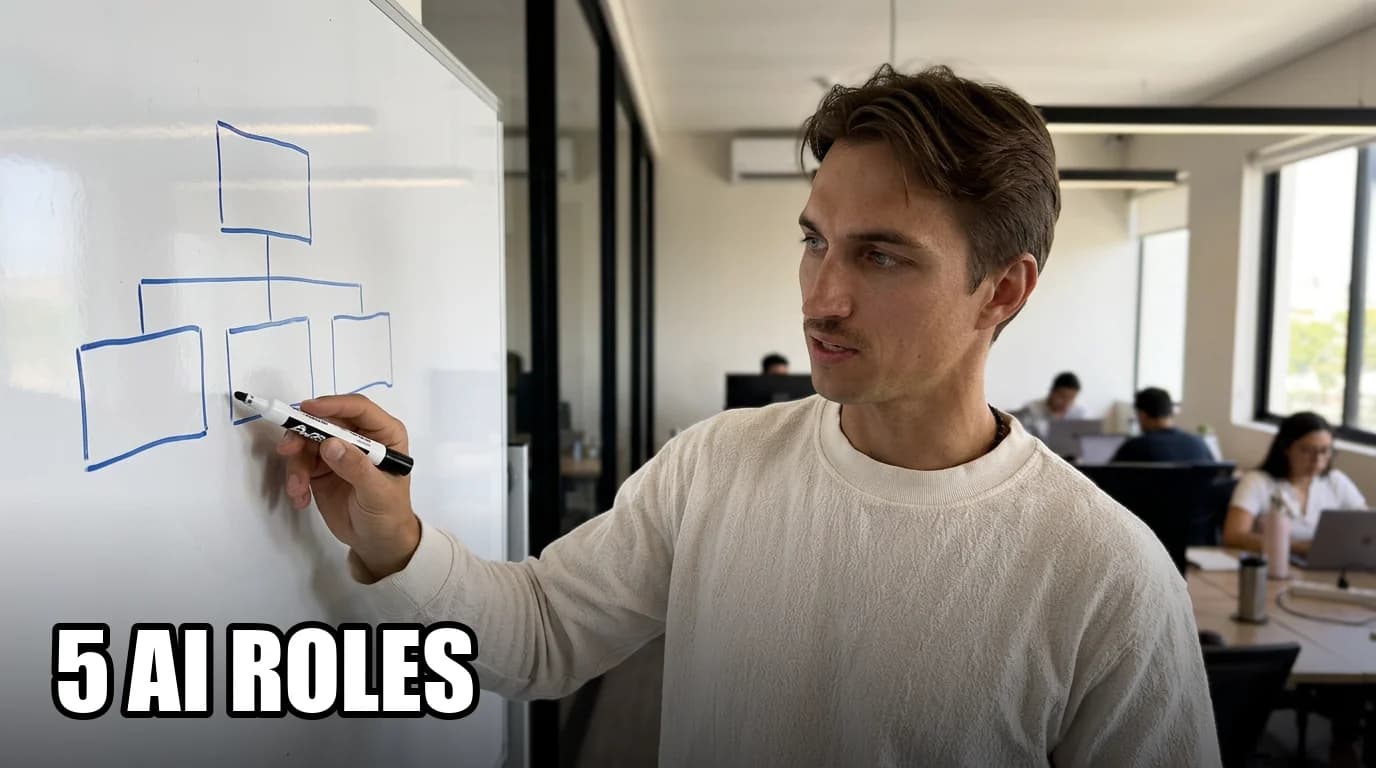
The Automation Org Chart: The 5 Roles You Need to Scale AI (Even If You're a 10-50 Person Company)
AI doesn't fail because the model is dumb. It fails because nobody owns the workflow. If you want AI to become a company capability, you need an org chart for it - not a big reorg, just five roles with clear responsibilities.

The US vs. EU AI Gap: Are You Playing to Win or Playing it Safe?
The US runs a sectoral, guidance-and-enforcement model; the EU runs a horizontal, risk-tiered model under the AI Act and GDPR. If you operate in both, build once to the higher bar and keep governance lightweight, measurable, and portable.
The Prompt Chaos Problem: Why AI Fails in Companies Even When Everyone Uses ChatGPT
If you ask 10 people in the same company to prompt AI, you'll get 10 different results. Not because AI is random. Because your company has no standards. This is the hidden problem behind most "AI doesn't work for us" complaints: prompt chaos.

The Time-to-Value Playbook: How CEOs Should Demand AI Results in 30 Days (Without Burning the Team)
The market is moving too fast for six-month AI pilots. You can, and should, demand a tangible business result from AI within 30 days - not a perfect, finished system, but a measurable win that proves the value and builds momentum.

The CEO's AI Operating System: How to Make AI a Company Capability (Not a Side Project)
Most companies are "using AI" - a few people experimenting with ChatGPT, a few teams paying for random tools, someone trying to force a pilot into production. That isn't a strategy, it's noise. The real question for a CEO is whether you have an operating system that turns AI into repeatable output.
The Complete Guide to Addressing Employee Concerns About AI: How to Build Trust and Drive Adoption
Companies spend $50K-$200K on AI, then check back 90 days later to find 15% usage. The problem isn't the technology - it's that teams don't trust it. Here's the framework for addressing the five real concerns employees have and building the trust that drives adoption.
The Complete Guide to Maintaining and Monitoring AI After Deployment: How to Keep AI Working Long-Term
73% of AI systems fail within 6 months - not because the technology doesn't work, but because companies treat deployment as the finish line. After maintaining AI systems for dozens of businesses, I've learned long-term success comes down to three things: monitoring what matters, maintaining what breaks, and evolving what changes.

The Complete Guide to Deploying AI Automation: From Pilot to Production Without Breaking Your Business
A pilot is easy. Production is where things break - not because the model is bad, but because your business is a system of people, processes, approvals and edge cases. This is the playbook I use to take AI automation from a promising demo to something your team can rely on daily.

The One Prompt That Reveals What Customers Actually Want
You're analyzing customer data and copying competitors, but still not getting traction. Stop reverse-engineering tactics and start understanding the psychology of why customers choose you. This framework gives you an unfair advantage.
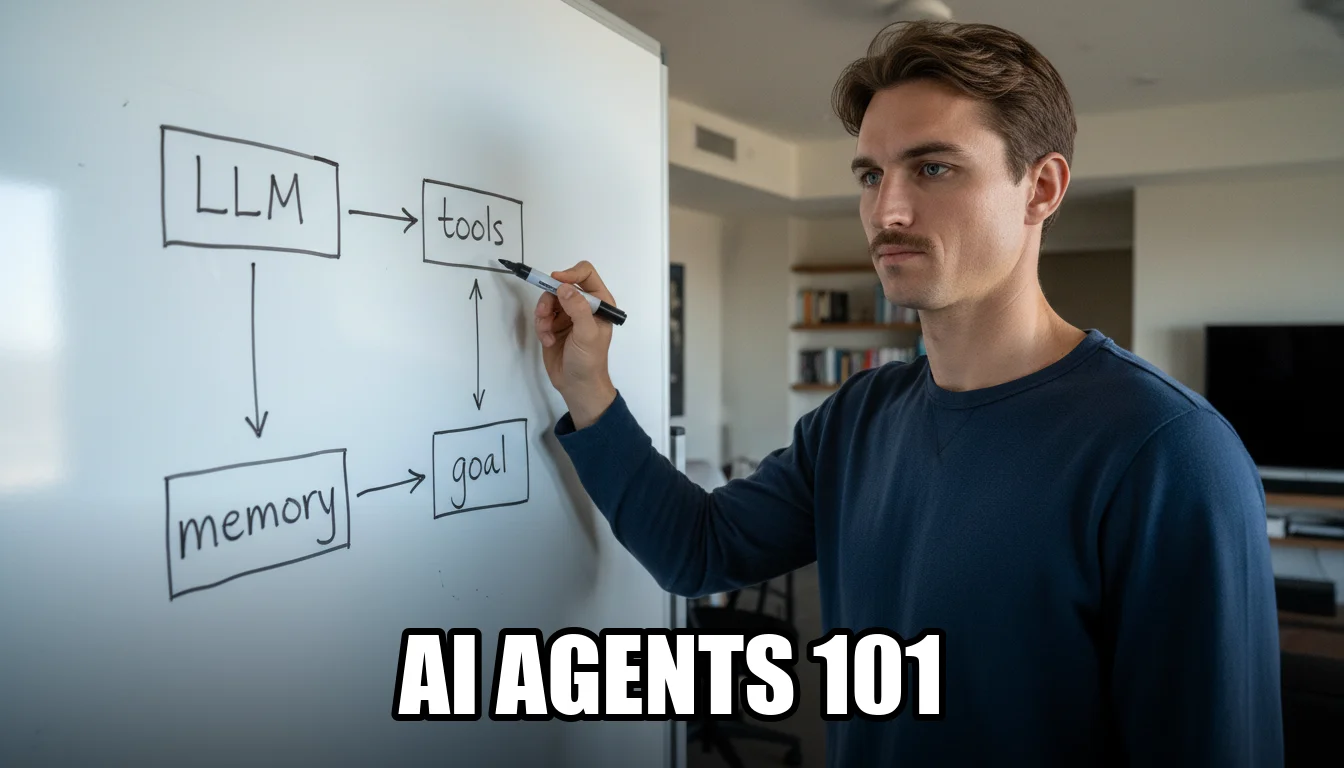
AI Agents Explained: The 4 Components Leaders Need
Struggling to figure out how AI can help your business? Start from understanding how it works. Learn the four basic components that make AI agents work and how they can transform your business operations.